
Turning highways into real-time operating environments
See how connected monitoring and analytics help operators improve road safety, traffic flow, and infrastructure performance.
Building safer, smarter corridors with connected monitoring, traffic intelligence, and resilient digital infrastructure.
With real-time visibility across traffic, assets, tolling, safety systems, and field operations, highway operators can improve mobility, reduce disruption, and respond faster to changing corridor conditions.
Highway authorities and concessionaires are under growing pressure to improve safety, throughput, and traveler experience while managing larger and more complex road networks. That requires infrastructure that can see more, communicate faster, and support coordinated decision-making across dispersed assets.
The focus is shifting toward intelligent traffic systems, remote asset monitoring, incident response workflows, tolling integration, and digital operations centers. Future-ready highways depend on connected platforms that improve uptime, reduce congestion, and support better service across the full corridor lifecycle.
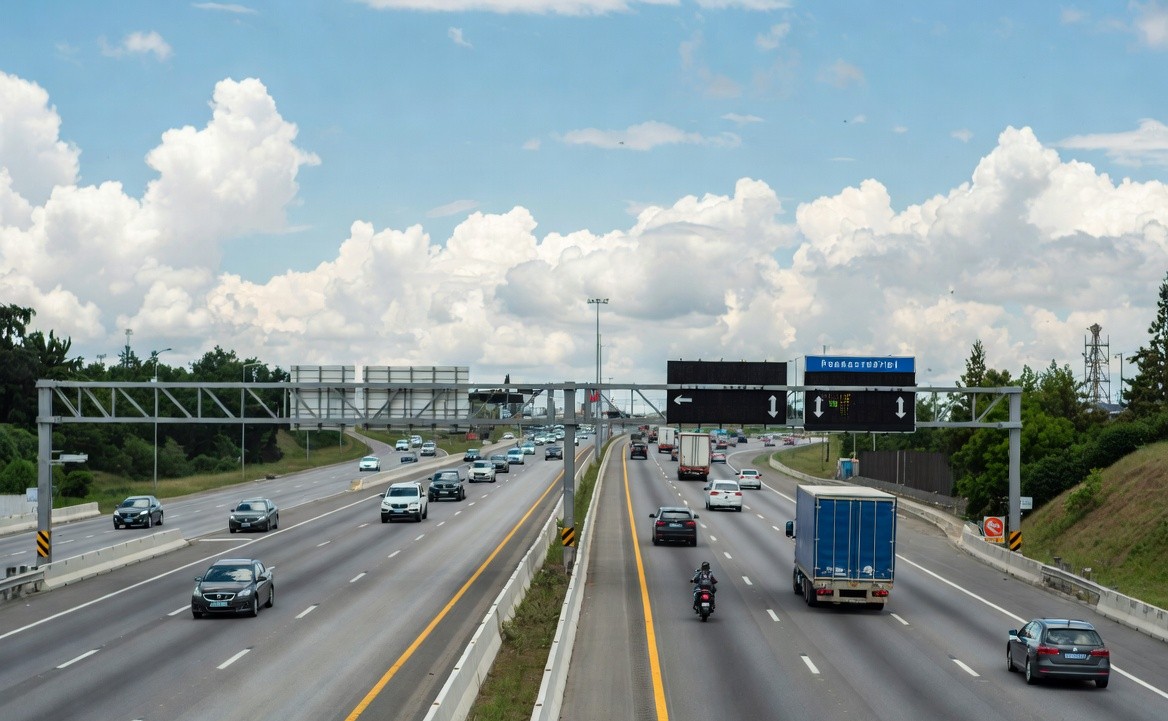
See how connected monitoring and analytics help operators improve road safety, traffic flow, and infrastructure performance.
Industry Transformation Desk
Highway Infrastructure Strategy
Highway operators are balancing expansion, safety expectations, and growing traveler demand. As traffic patterns become less predictable, real-time visibility is essential for managing incidents, maintaining service levels, and protecting critical road assets.
Connected systems help teams move from fragmented oversight to coordinated corridor management. With stronger monitoring, analytics, and automation, agencies can reduce response times, improve traffic flow, and make maintenance more proactive.
The strongest operators will be the ones that treat infrastructure data as a daily operating advantage. That means building digital foundations that support safer roads, better traveler communication, and scalable long-term corridor performance.
Transformation priorities in highway infrastructure are shifting toward corridor-wide visibility, smarter traffic control, and stronger integration between field assets and central operations. Organizations are investing in platforms that bring safety, mobility, and asset data into one decision layer.
Predictive maintenance, incident detection, and automated alerts are becoming core capabilities because they reduce disruption and improve response speed across long, complex road networks.
What matters most is building a digital stack that is interoperable, scalable over time, and practical enough to support both public service expectations and operational resilience.
The outlook for highway infrastructure will be shaped by how effectively operators modernize corridor management. Those that improve visibility across traffic, assets, and response workflows will be better positioned to deliver safer and more reliable mobility.
Over the next phase, advantage will come from faster decisions, resilient roadside systems, and infrastructure that can support increasingly connected transportation ecosystems.
That makes digital resilience not just a technology initiative, but a strategic requirement for long-term infrastructure performance.