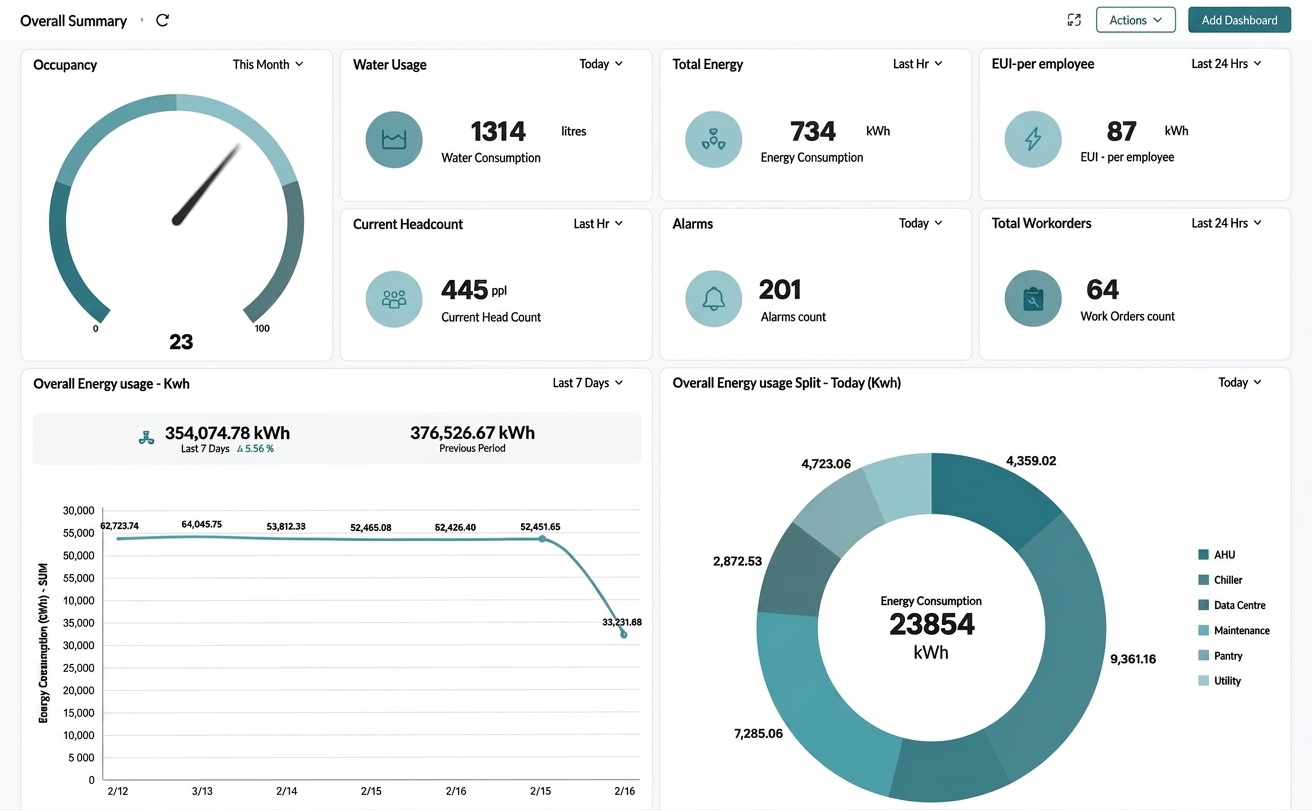
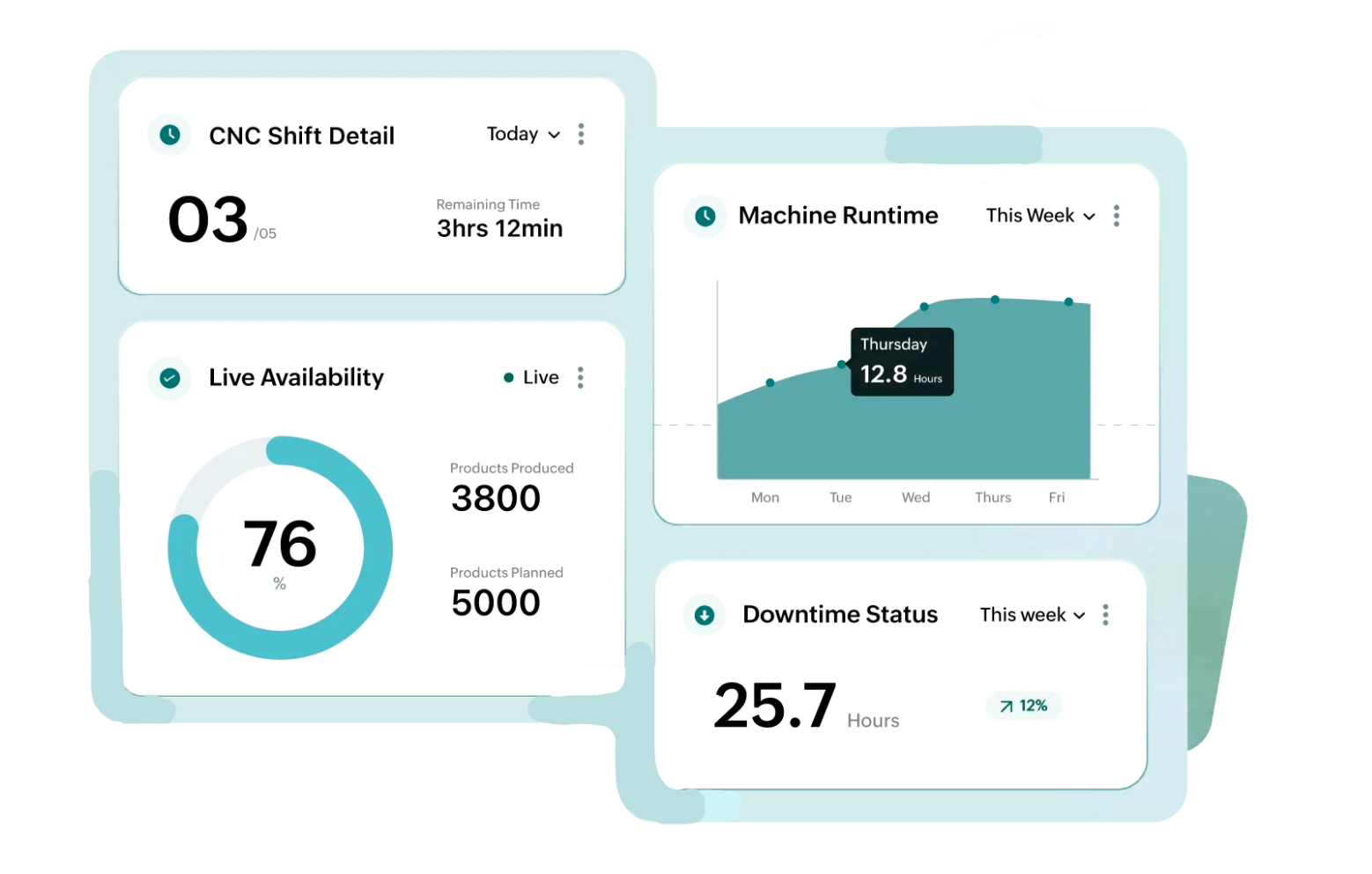
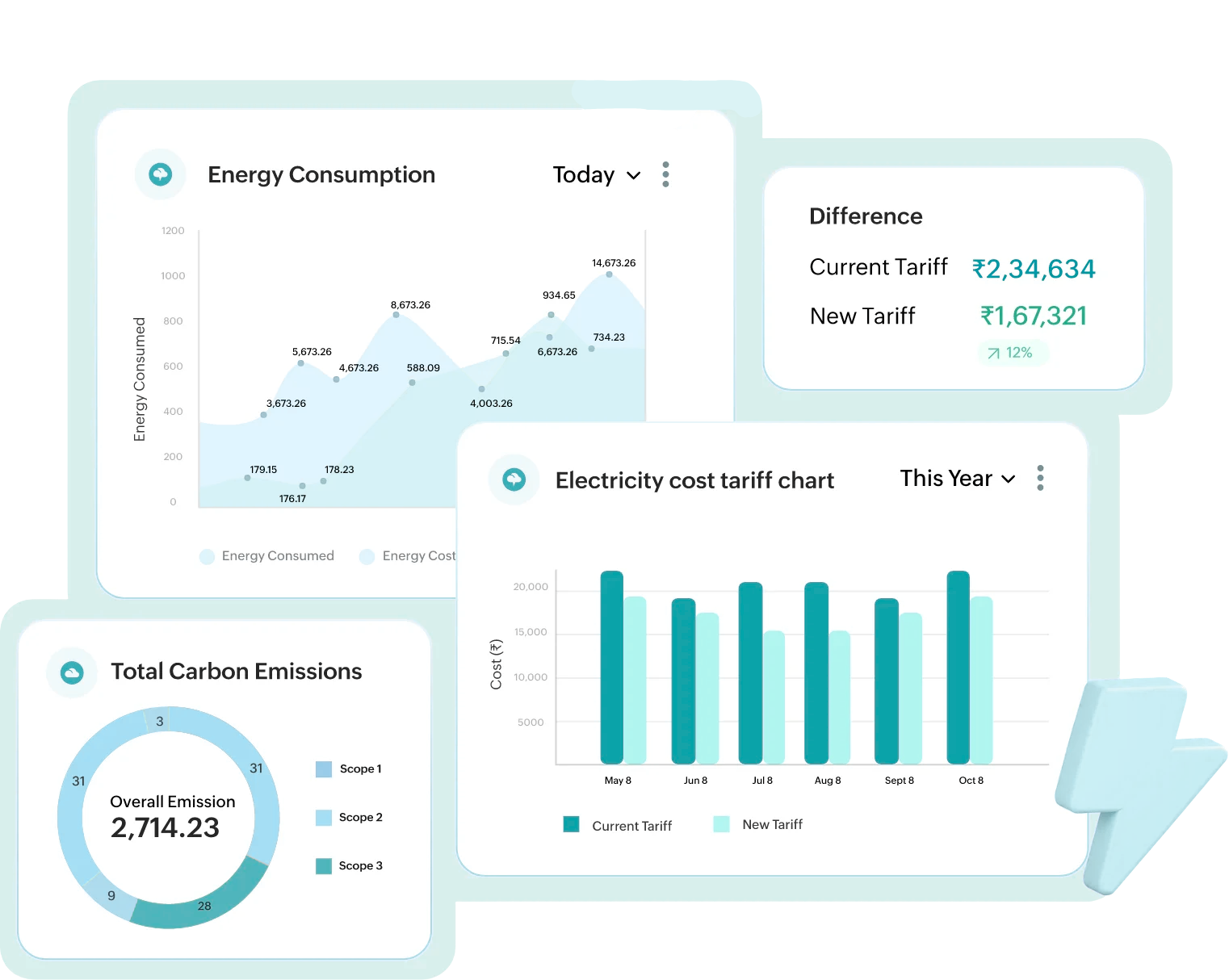
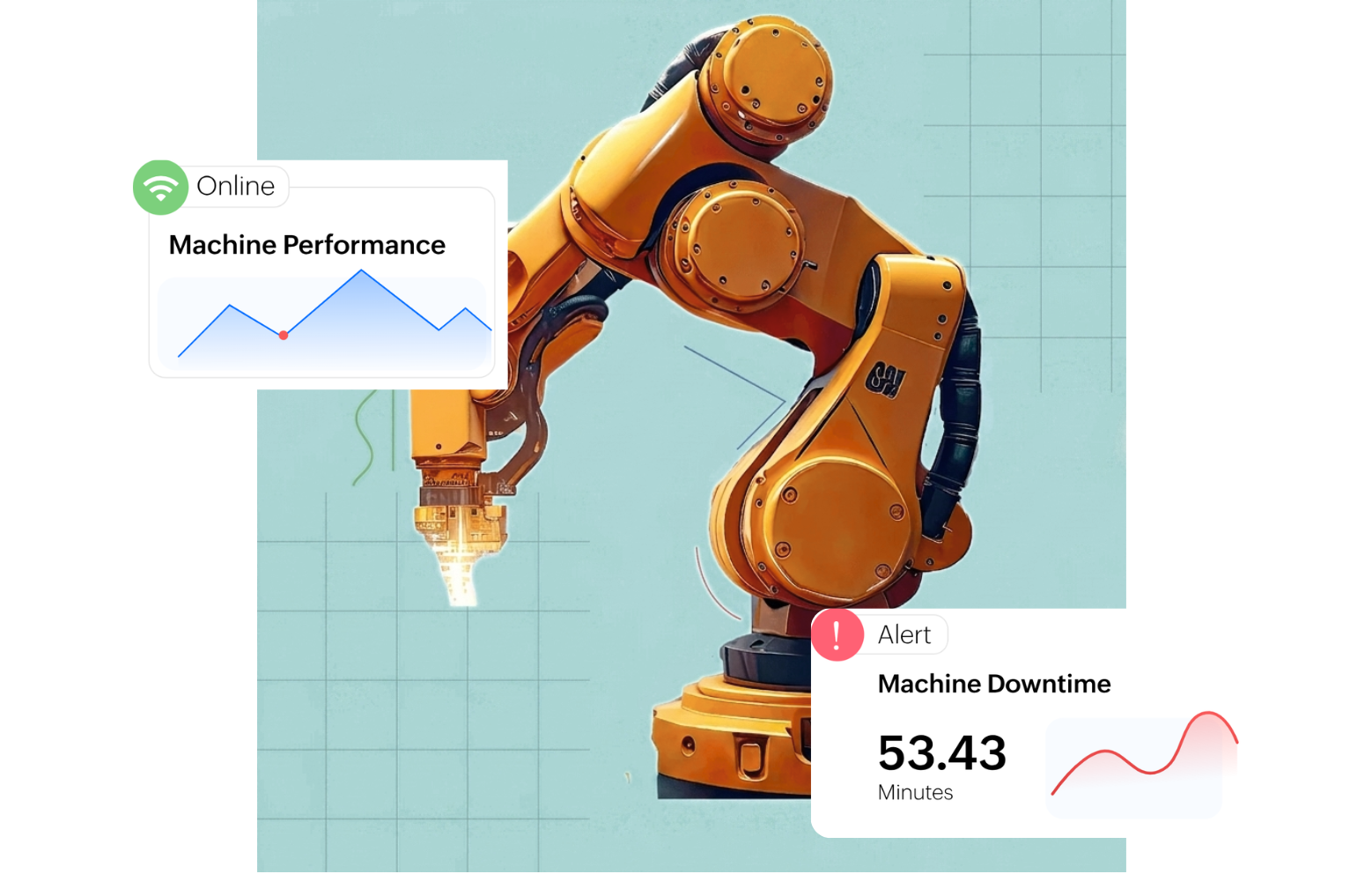
Monitor the performance of connected IoT devices through a unified dashboard. Collect, visualize, and analyze device data to understand system behavior and operational efficiency.
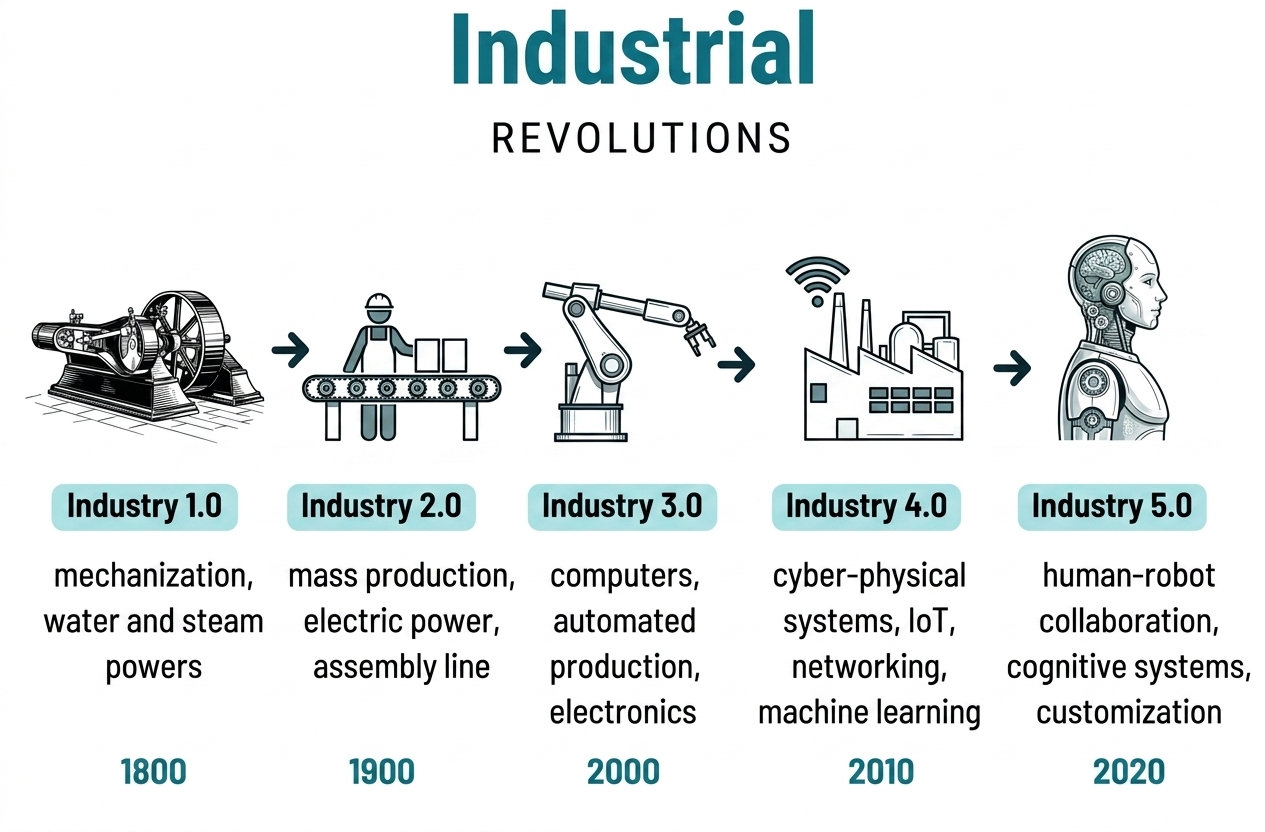
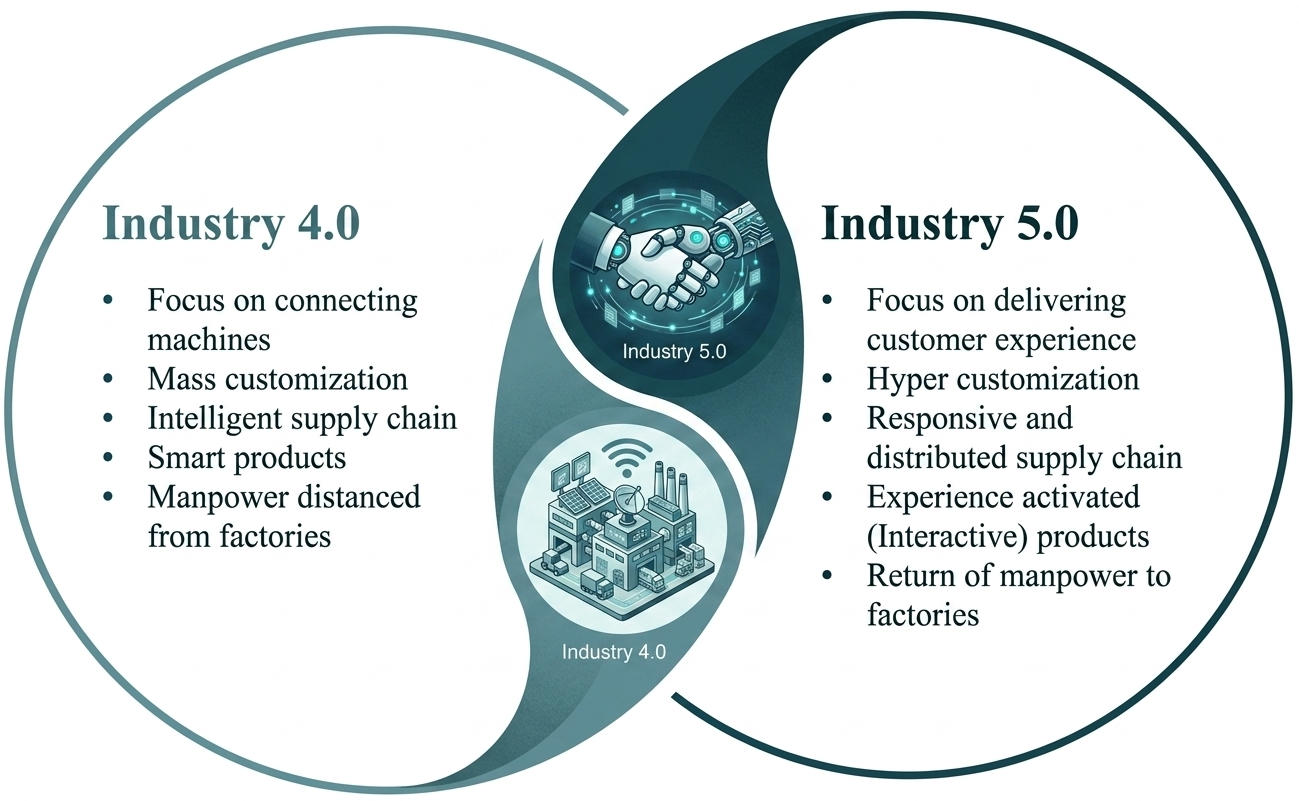
Smart Industry 5.0 builds upon the automation and efficiency of Industry 4.0, adding a new layer of human-centric innovation. It emphasizes personalization, sustainability, and resilience - empowered by digital technologies such as:
The Fifth Industrial Revolution is beginning to unite people and machines in new ways. Smartphones and apps are giving way to technologies we wear and rely on, with virtual assistants guiding daily choices and handling tasks on our behalf. The biggest shifts, however, are unfolding on the factory floor.
Industry 5.0 evolves Industry 4.0 cyber-physical plants - which ran with minimal human involvement - into human-cyber-physical systems that prioritize collaboration, creativity, and judgment.
In this new paradigm, people work alongside collaborative robots or "cobots," training them, guiding corrections, and making higher-level decisions. Machines handle the repetitive and hazardous work, while humans focus on design, problem solving, and innovation, often supported by digital twins and personalized production workflows.
Smart factories still depend on people to program, instruct, and troubleshoot. Their ability to analyze and respond to data from sensors, online orders, computing devices, and wearables depends on computing power, memory, and intelligent software - just as human intelligence relies on the same.

Industry 5.0 is on the horizon, but the role of digital twins (DTs) as one of its major technological enablers is far from being understood. This article begins with a bibliometric analysis and a systematic review, followed by a discussion of insights obtained from the literature through the lens of strong structuration theory. The results include a description of the new paradigm of future-oriented and responsible physical-digital convergence, a research agenda, and the proposal of the structure – agency (SA)–DT framework to guide advances in Industry 5.0 with digital twins. A concept-centric analysis is used to identify use cases, impacts, redesigned forms of physical–digital interaction, challenges, and the changes in both human and non-human agents increasingly intertwined in more advanced DT solutions. Moreover, this study reveals how digital twins can be deployed to address, in an integrated manner, the three main pillars of Industry 5.0: human-centric, sustainable, and resilient industry transformation. Practitioners may find our contribution helpful for their Industry 5.0 roadmaps, which require more ample interaction with society at all levels and evidence of responsible practices for current and future generations.
Instead of replacing workers, Industry 5.0 enhances human capabilities. Operators are now empowered with real-time insights and intelligent systems that support safer, more informed decision-making.
IoT is the backbone of this new industrial paradigm. It provides real-time visibility into equipment status, production processes, and environmental conditions.
IoT devices collect data from machinery, logistics systems, and even wearable tech. This information feeds into intelligent platforms like Tronixware, which present it through intuitive dashboards for quick analysis and action.
Real-time data allows for predictive maintenance, quality control, and resource optimization. This reduces downtime, minimizes waste, and boosts operational performance.
Tronixware is uniquely positioned to support IoT-driven Industry 5.0. Its modular architecture enables easy integration of IoT devices and systems into a single, unified control platform.
We believe successful digital and industrial transformation is driven by a strong, collaborative partner ecosystem. Tronixware brings together specialized partners who deliver measurable value across industries including manufacturing, healthcare, oil & gas, mining, highways, aviation, and defense.