
Smart Automation through Connected Devices (IoT & Deployment)
Connected IoT infrastructure that automates critical operations, improves control, and enables real-time decision-making across industrial and enterprise environments.
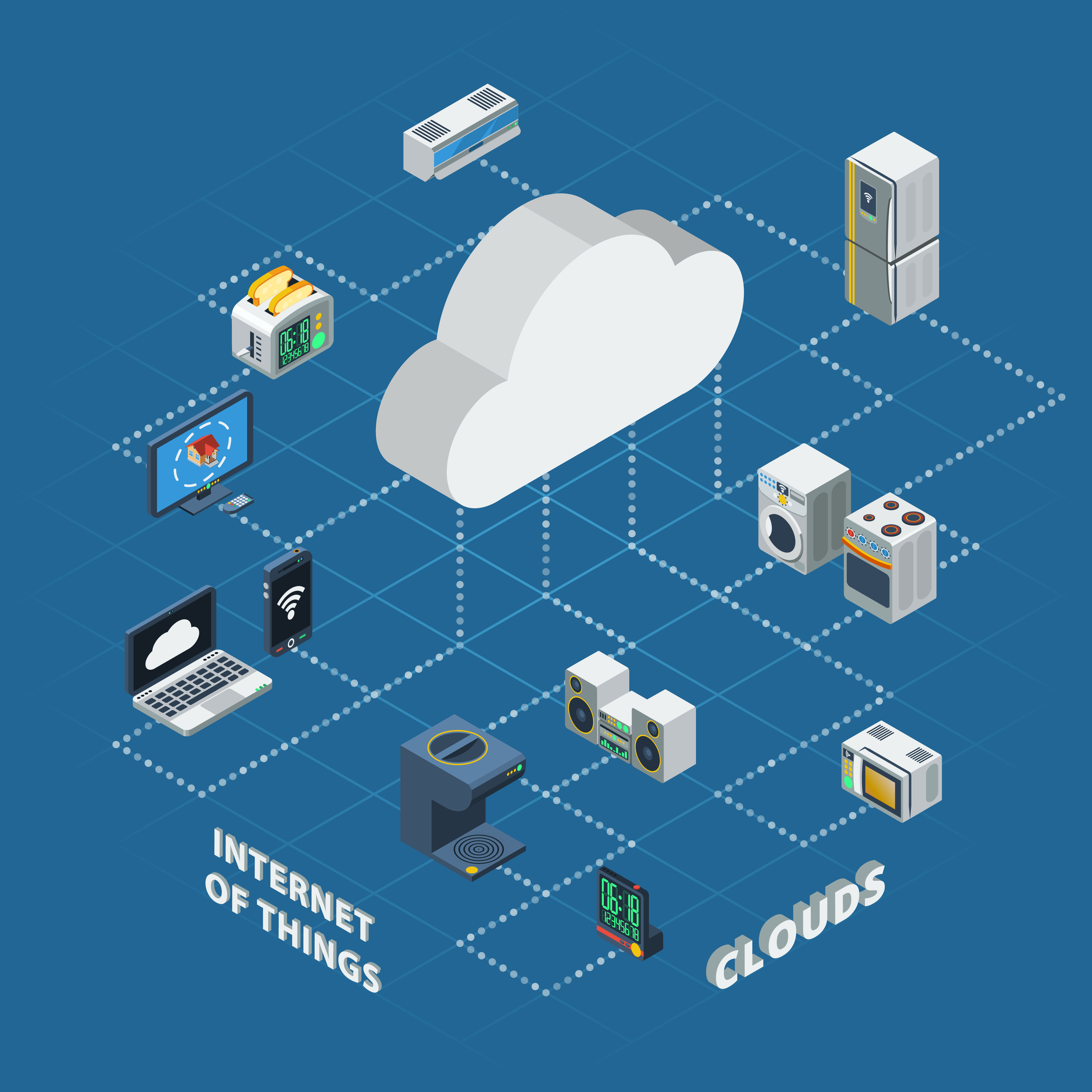
Smart Automation through Connected Devices leverages Industrial Internet of Things (IoT) technologies to create intelligent, interconnected environments where physical devices, sensors, controllers, and systems communicate seamlessly to automate operations and enhance decision-making. By integrating connected infrastructure such as RFID systems, access control devices, remote sensors, alarms, and monitoring platforms, organizations can achieve centralized visibility and automated control across facilities, campuses, and industrial environments.
This IoT-driven ecosystem enables real-time monitoring, data collection, and automated responses to predefined conditions without requiring continuous human intervention. Whether managing facility access, tracking personnel movement, controlling equipment, or monitoring environmental conditions, smart automation ensures operational efficiency, safety, and reliability across critical infrastructure.
Through scalable IoT deployment frameworks, organizations can modernize traditional systems into intelligent digital environments that support predictive maintenance, enhanced security, and data-driven operational management, enabling seamless coordination between devices, networks, and centralized command systems.
Features
Integrated IoT Device Connectivity and Centralized Control: The system connects a wide range of industrial devices including RFID readers, controllers, sensors, cameras, alarms, and automated lighting systems into a unified platform. This centralized connectivity enables seamless communication between devices and allows operators to monitor and control operations from a single dashboard or command center.
Real-Time Monitoring, Logging, and Remote Device Management: Smart automation platforms continuously monitor device status, system performance, and operational events in real time. Detailed logs and alerts provide visibility into activities such as access attempts, equipment usage, and system anomalies, while remote management capabilities allow administrators to configure devices, update settings, and troubleshoot issues from any location.
Automated Workflow and Rule-Based Response Mechanisms: The system supports intelligent automation through configurable rules and triggers that initiate actions based on predefined conditions. For example, unauthorized access attempts can automatically trigger alarms, lock doors, notify security personnel, or activate surveillance systems, ensuring rapid response to critical events.
Secure Digital Identity and RFID-Based Access Management: Advanced RFID and credential-based authentication systems enable secure identification and tracking of personnel, assets, and vehicles. Digital badges and smart credentials ensure controlled access to restricted areas while maintaining accurate records of entry, exit, and movement within facilities.
Scalable IoT Integration and Interoperability: The platform supports integration with existing enterprise systems, industrial equipment, and third-party applications, allowing organizations to expand their IoT infrastructure without disrupting current operations. This flexibility ensures compatibility with diverse hardware devices and communication protocols.
Architecture
Benefits
Enhanced Operational Efficiency Through Automation: Automated processes reduce manual intervention and streamline routine operations such as access control, monitoring, and facility management. This improves productivity while minimizing operational delays and human error.
Improved Security and Access Control Across Facilities: Connected devices enable real-time monitoring of entry points, restricted zones, and sensitive infrastructure, ensuring that only authorized personnel can access critical areas. Automated alerts and response mechanisms strengthen overall security posture.
Centralized Visibility and Better Decision-Making: IoT-enabled systems provide comprehensive insights into device performance, facility usage, and operational activities through real-time dashboards and analytics reports. This centralized visibility supports faster and more informed decision-making.
Reduced Operational Costs and Resource Optimization: Automation and remote monitoring reduce the need for manual supervision and on-site maintenance, lowering labor costs and improving resource utilization across facilities.
Future-Ready and Scalable Infrastructure: Smart automation platforms are designed to scale with organizational growth, allowing additional devices, sensors, and systems to be integrated seamlessly as operational requirements evolve.