Introduction
Industries such as mining, manufacturing, construction, and infrastructure are undergoing significant transformation through the adoption of digital technologies and connected systems. The concept of smart operations such as smart mines or smart industrial facilities focuses on integrating sensors, communication networks, and control systems to create intelligent environments capable of monitoring conditions, managing equipment, and ensuring safe and efficient operations. These systems support environmentally responsible practices while maintaining cost-effective and reliable production processes.
Tronixware leverages IoT and IIoT technologies to deliver advanced solutions that integrate hardware devices, communication networks, and data management platforms into a unified system. By enabling automation, remote monitoring, telemetry, and real-time data visualization, Tronixware helps organizations improve operational safety, reduce operational costs, and enhance productivity across industrial environments. Reliable communication and continuous monitoring are especially critical in high-risk sectors, where system failures can impact both operational continuity and human safety.
Through the deployment of intelligent sensors, wireless communication technologies, and centralized control systems, Tronixware supports modern industrial operations such as equipment monitoring, personnel tracking, environmental sensing, and predictive maintenance. These technologies enable organizations to make informed decisions, improve resource utilization, and achieve higher levels of operational efficiency while supporting the transition toward digitally connected and automated industrial ecosystems.
IIoT in Mining
Benefits of Implementing IoT Technology in the Mining Industry
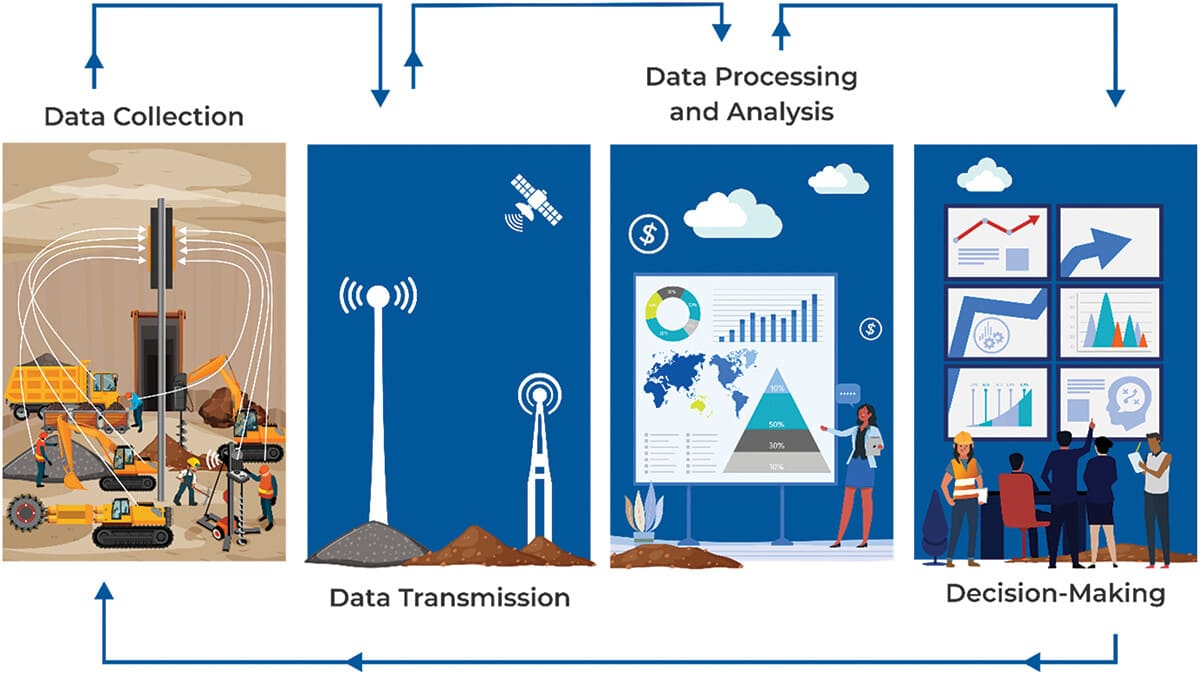
The Industrial Internet of Things (IIoT) is widely used across industries such as mining, energy, manufacturing, transportation, and logistics to optimize operations, improve maintenance, and automate industrial processes. IoT-enabled systems collect real-time data through sensors, analyze operational conditions, and support faster, more informed decision-making. These capabilities help improve asset performance, streamline workflows, and enhance the overall efficiency of mining operations.
The major benefits of implementing IoT technology in mining include automated operations, improved energy efficiency and cost savings, enhanced safety, reduced downtime, and increased productivity. By integrating connected equipment, communication networks, and data analytics, mining organizations can achieve better operational control, optimize resource utilization, and improve profitability while maintaining safe working environments.
2.1 Automated Mining Techniques
IoT enables mining equipment, vehicles, and systems to work together and generate large volumes of operational data, improving planning accuracy and operational efficiency. Automated and connected mining systems support intelligent decision-making, faster production cycles, and improved resource management. These technologies allow mining companies to adopt modern tools, monitor operations continuously, and enhance the reliability and profitability of mining activities.
2.2 Increased Energy Savings and Cost Effectiveness
IoT-based systems improve energy efficiency and reduce operational costs by optimizing equipment usage and monitoring energy consumption in real time. Smart ventilation and environmental control systems automatically adjust airflow and system performance based on operational needs, reducing energy waste while maintaining safety standards. These improvements lead to cost savings, better resource management, and more sustainable mining operations.
2.3 Enhanced Safety and Time Efficiency in Mining Operations
Mining environments involve significant risks such as equipment failures, hazardous gases, and unstable geological conditions. IoT sensors and monitoring systems help detect equipment faults, environmental hazards, and structural instability in real time, enabling early intervention and accident prevention. Automated technologies such as remote monitoring, personnel tracking, and predictive alerts improve worker safety, reduce downtime, and ensure smoother project execution.
2.4 Predictive Analysis for Maintenance and Productivity
IoT systems enable predictive maintenance by continuously monitoring equipment performance and identifying early signs of wear or malfunction. This reduces unexpected breakdowns, minimizes maintenance costs, and improves equipment reliability. By analyzing operational data across the mining lifecycle, organizations can optimize production schedules, improve equipment utilization, and increase overall productivity while supporting environmentally responsible operations.