
Remote coverage
Sensors keep watch across parks, buffers, and water sources where staff cannot stay overnight.
Patrols cannot cover every corridor. Tronixware connects camera traps, field sensors, and ranger radios so agencies see habitat change as it happens — not after the next walk-through.
Sensors keep watch across parks, buffers, and water sources where staff cannot stay overnight.
Fire, poaching, and conflict alerts reach command while there is still time to act.
A reserve is too large to staff at every trail. Tronixware puts camera traps, environmental sensors, and ranger radios on the same map so command sees movement, fire, and people together.
Traps and acoustic nodes cover water, salt licks, and known corridors. Heat, smoke, and humidity sensors sit on ridges and forest floor. GPS tags and radios keep isolated posts reachable. Night cameras and checkpoint readers close the roads that a patrol cannot occupy all night.
Collars, cameras, and audio show animal movement and unusual night activity.
Temperature, smoke, and water-level sensors flag early fire risk before a front runs.
Geofenced gates and night cameras cut the delay between a crossing and a report.
Field communications and location keep a lone post on the same picture as HQ.
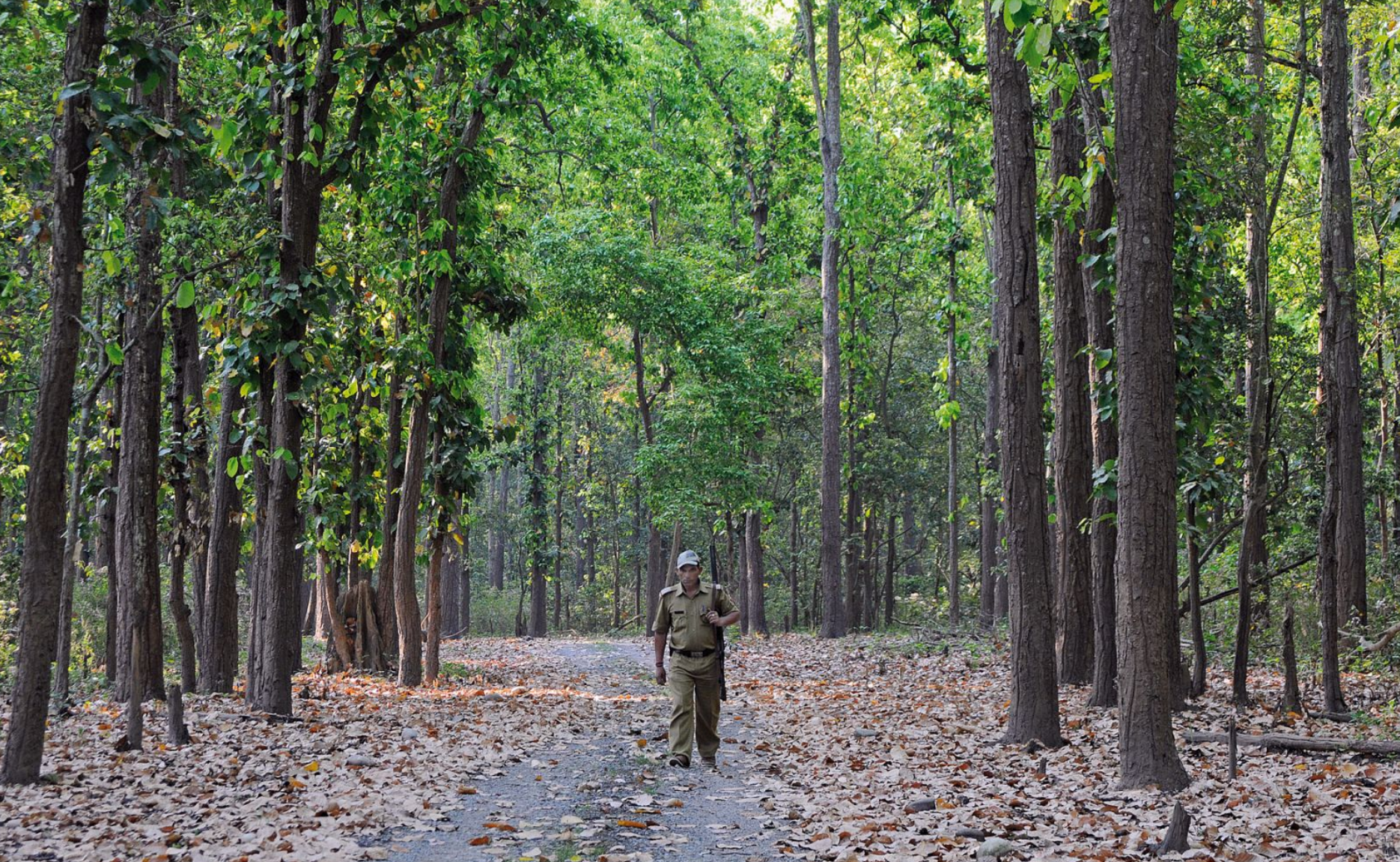
The point is not more cameras. It is a patrol that leaves camp because something moved, not because the roster said so.
A fire flag, a collar leaving a corridor, or a night image at a gate becomes a task for the nearest crew. Command can hold a team back from a quiet sector and send them where the data changed. That cuts wasted walking through sensitive habitat and shortens the time from event to boots on the ground.
Poaching, fire, and conflict alerts go to the post that can still reach the site.
Routes follow overnight detections instead of a fixed beat that leaves gaps.
Water, browse, and corridor use are reviewed without a full transect every week.
Teams enter a core zone when the picture requires it, not on a standing schedule.
Coverage grows without putting a ranger on every kilometre. The gain is time: time to a fire, time to a poaching event, time to pull a crew out of a bad sector.