Tronixware - Innovative Software Solutions Tronixware - Innovative Software Solutions

Introduction

At Tronixware, we believe the future of mobility lies in intelligent connectivity, automation, and real-time operational intelligence. Airports and Transportation Hubs across the world are rapidly evolving into Smart Airports and a Smart Transportation Ecosystem powered by the Internet of Things (IoT), enabling seamless coordination between passengers, operators, vehicles, infrastructure, and security systems. IoT technologies help improve Operational Efficiency, strengthen safety, enhance traveler experiences, and create more Sustainable Transportation environments.

Modern airports and transportation systems handle massive volumes of passengers, baggage, public transit operations, vehicles, logistics, and infrastructure every day, making real-time data and connected systems essential for smooth functioning. IoT enables transportation authorities to integrate sensors, tracking systems, Transportation Analytics platforms, and automated workflows into one Connected Ecosystem. Through Connected Infrastructure, operators can enable Real-Time Monitoring, optimize resource utilization, reduce delays, and provide passengers with smarter and more convenient travel experiences.

At Tronixware, we develop intelligent IoT-powered ecosystems designed to support the Digital Transformation of airports and transportation hubs. Our Tronixware IoT Solutions focus on integrating Smart Infrastructure, monitoring, analytics, automation platforms, traffic intelligence, asset tracking, and connected applications into a centralized ecosystem that enables transportation authorities to operate more efficiently and securely. By leveraging scalable technologies, cloud infrastructure, and Intelligent Automation, Tronixware helps organizations transition toward Future-Ready Mobility Ecosystems.

With the growing demand for faster, safer, and more connected mobility experiences, IoT is becoming a critical foundation for next-generation transportation infrastructure. Tronixware aims to empower airports, transit authorities, railway operators, logistics providers, and urban mobility stakeholders with intelligent digital solutions that improve operational visibility, strengthen passenger engagement, and enable Data-Driven Decision Making. Through innovation and connected technologies, we help create transportation ecosystems that are smarter, more responsive, and operationally optimized for Smart Mobility.

IoT in Airports & Transportation Hubs

IoT in airports and transportation hubs refers to the use of connected devices, sensors, smart applications, and real-time communication systems to improve operations, infrastructure management, and Passenger Experience. These technologies enable operators to collect, analyze, and act upon real-time data across terminals, traffic systems, baggage handling, railways, transit fleets, security checkpoints, highways, and public transportation services. By connecting physical infrastructure with intelligent digital systems, airports and transportation networks can streamline operations while improving safety, efficiency, and reliability.

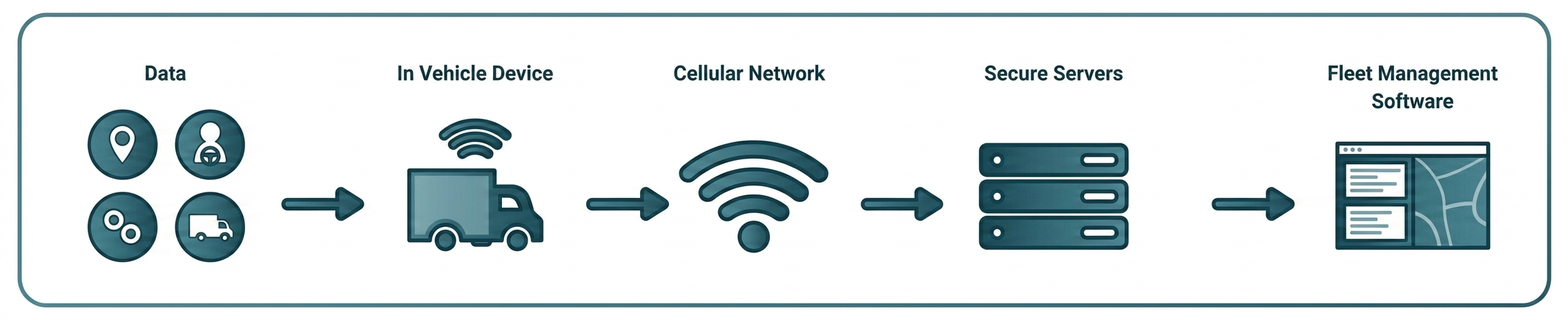
One of the most important applications of IoT in airports and transportation is operational monitoring and asset management. Connected sensors and GPS-enabled tracking systems allow authorities to monitor the real-time location and condition of baggage carts, ground service equipment, buses, trains, emergency vehicles, maintenance fleets, and logistics assets. This helps improve maintenance scheduling, reduce downtime, optimize fuel usage, and enhance operational visibility. IoT-enabled systems can also automate facility management tasks such as lighting control, restroom maintenance, energy optimization, environmental monitoring, and Predictive Maintenance.

IoT also plays a major role in Smart Traffic Management and Intelligent Transportation Systems (ITS). Connected traffic lights, cameras, vehicle sensors, and roadway monitoring systems help cities manage traffic flow more effectively, reduce congestion, improve emergency response times, and minimize pollution caused by long traffic delays. Public transportation systems benefit from IoT through real-time fleet tracking, passenger counting systems, digital signage, ticketing platforms, route optimization, high-speed onboard Wi-Fi, and automated dispatch systems. These technologies improve both operational efficiency and passenger convenience across transportation networks.

Railway and transit operations are also being transformed through IoT-powered communication and monitoring systems. Connected rail infrastructure enables real-time train tracking, predictive maintenance, automated scheduling, and advanced safety systems such as Positive Train Control (PTC). Advanced Analytics allow transit authorities to monitor vehicle performance, passenger occupancy, fuel consumption, and route efficiency while improving overall reliability and service quality. Electric vehicle infrastructure and EV charging networks also rely heavily on IoT connectivity for station monitoring, payment systems, maintenance management, and energy optimization.

At Tronixware, we focus on building connected ecosystems that integrate intelligent monitoring, automation, analytics, and communication technologies into one Scalable Digital Infrastructure. Our IoT-Driven Solutions can support smart traffic management, Connected Airport Operations, intelligent transit systems, fleet monitoring, predictive maintenance, passenger engagement systems, digital ticketing platforms, and real-time operational dashboards. By creating a centralized ecosystem for airports and transportation hubs, Tronixware enables organizations to improve efficiency, reduce operational complexity, and deliver safer and smarter mobility experiences powered by intelligent automation and data-driven insights.

IoT in airports and transportation hubs

Benefits of IoT in Airports & Transportation Hubs

IoT-powered airport and transportation ecosystems provide significant operational, financial, and customer experience benefits for authorities, operators, and mobility stakeholders. One of the major advantages is improved operational efficiency through real-time monitoring and automation. Connected systems allow operators to optimize baggage handling, track transportation assets, monitor vehicle performance, automate maintenance workflows, reduce equipment downtime, and improve coordination between departments. This leads to smoother operations, reduced delays, and more efficient utilization of infrastructure and transportation resources.

Another major benefit of IoT is enhanced passenger and commuter experience. Smart transportation technologies such as automated ticketing systems, intelligent navigation platforms, connected information displays, digital signage, and real-time notifications help passengers travel more conveniently and with less stress. IoT also enables operators to analyze passenger behavior and movement patterns, allowing authorities to optimize terminal layouts, reduce congestion, improve scheduling, and provide more personalized transportation services. These improvements help transportation hubs strengthen customer satisfaction and create more efficient mobility experiences.

IoT also contributes significantly to safety, security, and emergency response management. Connected surveillance systems, environmental sensors, vehicle diagnostics, and intelligent monitoring platforms help operators detect risks proactively and respond faster during emergencies. Traffic management systems can prioritize emergency vehicles such as ambulances, police, and fire services through intelligent signaling systems, while connected railway and transit infrastructure improves operational safety through continuous monitoring and predictive analytics. Real-time communication between vehicles, infrastructure, and operations centers enhances overall situational awareness and public safety.

Sustainability and environmental optimization are also major advantages of IoT-enabled transportation ecosystems. Connected systems can monitor energy consumption, emissions, traffic flow, fuel efficiency, and infrastructure performance in real time. Smart traffic management reduces unnecessary vehicle idling, while predictive maintenance systems improve the lifespan and efficiency of transportation assets. IoT also supports the growth of electric vehicle ecosystems through intelligent EV charging infrastructure, automated billing systems, and energy monitoring capabilities that help create greener and more sustainable urban mobility environments.

Through intelligent IoT ecosystems, Tronixware helps airports and transportation hubs move toward smarter and more connected infrastructure. Our solutions enable Centralized Operational Visibility, predictive maintenance, intelligent automation, connected fleet management, and advanced analytics that improve long-term scalability and performance. By combining IoT technologies with secure digital infrastructure and cloud-enabled platforms, Tronixware empowers transportation organizations to create safer, more efficient, and future-ready mobility ecosystems that enhance operational excellence and traveler satisfaction.